Produktbeschreibung
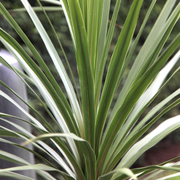
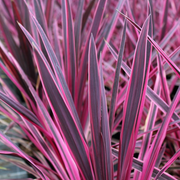
Ein herrliches Exemplar unter den Keulenlilien ist die Keulenlilie Cordyline ‚Festival Raspberry‘. Sie besticht durch intensive Blattfarben, dichtes, kaskadenförmiges Laub und kleine Blütendolden, die einen wunderbaren Jasminduft verströmen. Die langen, riemenförmig gebogenen Blätter zeigen sich in einem tiefen Purpurrot mit leuchtend rosafarbenem Rand. Die zartrosa Blüten erscheinen an schlanken Stielen in kleinen Dolden über dem Blattwerk. Ein hervorragendes, grasartig horstbildendes Ziergehölz, das sich ideal als Bodendecker oder als Blickfang in Hängeampeln auf Terrasse und Balkon eignet.
In feuchte, gut durchlässige Böden pflanzen. An einem vollsonnigen bis halbschattigen Standort platzieren. In strengeren Wintern vor Frost schützen. Während der warmen Sommermonate regelmäßig gießen.
Bitte beachten Sie: Beim Kauf von Pflanzen gilt es zu berücksichtigen, dass jedes Lebendexemplar ein Unikat ist und daher von den Abbildungen abweichen kann, die lediglich der Veranschaulichung dienen.
Cordyline
Keulenlilie 'Festival Raspberry'
Keulenlilie 'Festival Raspberry'
Mehr pflanzen, mehr sparen
Produktbeschreibung
Ein herrliches Exemplar unter den Keulenlilien ist die Keulenlilie Cordyline ‚Festival Raspberry‘. Sie besticht durch intensive Blattfarben, dichtes, kaskadenförmiges Laub und kleine Blütendolden, die einen wunderbaren Jasminduft verströmen. Die langen, riemenförmig gebogenen Blätter zeigen sich in einem tiefen Purpurrot mit leuchtend rosafarbenem Rand. Die zartrosa Blüten erscheinen an schlanken Stielen in kleinen Dolden über dem Blattwerk. Ein hervorragendes, grasartig horstbildendes Ziergehölz, das sich ideal als Bodendecker oder als Blickfang in Hängeampeln auf Terrasse und Balkon eignet.
In feuchte, gut durchlässige Böden pflanzen. An einem vollsonnigen bis halbschattigen Standort platzieren. In strengeren Wintern vor Frost schützen. Während der warmen Sommermonate regelmäßig gießen.
Bitte beachten Sie: Beim Kauf von Pflanzen gilt es zu berücksichtigen, dass jedes Lebendexemplar ein Unikat ist und daher von den Abbildungen abweichen kann, die lediglich der Veranschaulichung dienen.
Größenberater für Gartenpflanzen

Pflanzen in größeren Töpfen sind oft mehrere Jahre älter als Exemplare in kleineren Gefäßen und verfügen über ein bereits besser ausgeprägtes Wurzelsystem sowie dichteres Laub. Dadurch entwickeln sie sich im Garten deutlich schneller zu einer stattlichen Pracht als kleinere Alternativen.
Die gängigsten Topfgrößen für Gartenpflanzen sind 9cm, 1L, 3L und 5L – diese Angaben beziehen sich auf den Durchmesser am oberen Topfrand oder das Fassungsvermögen.
Pflanzen im 9cm-Topf sind nach wie vor die beliebteste und preiswerteste Option. Hier ist lediglich etwas Geduld gefragt, bis die Gewächse nach dem Auspflanzen ihre volle Größe und Reife erreichen.
Pflanzenmerkmale, Pflegeanleitung & Tipps
Haupteigenschaften


Pflanzzeit
| Jan | Feb | Mär | Apr | Mai | Jun | Jul | Aug | Sep | Okt | Nov | Dez |
|---|---|---|---|---|---|---|---|---|---|---|---|
Anleitung
Profi-Tipp
Green-leaved cordylines thrive best in full sun, while those with coloured leaves prefer light shade.
Richtig gießen
Water regularly during the first growing season. After this, cordylines are relatively drought tolerant and only need to be watered during particularly dry spells.
Richtig pflanzen
Plant cordylines in the ground or in containers in a spot that enjoys full sun or partial shade with moist but well-draining soil. Enrich the soil with well-rotted organic matter and dig a hole around twice as wide as the root ball. Position the plant so the top of the root ball is at soil level then backfill with soil and compost, gently firm down, and water in well.